Stretched to Capacity: The Workforce Crisis in Human Services
Presentation at the Massachusetts State House on June 4, 2026
The Massachusetts human services sector is experiencing sustained workforce constraints that have intensified in both scale and urgency in recent years. On June 4, the Providers' Council and the Institute presented the most recent findings about the state of the human services sector in Massachusetts. The sector's longstanding challenges (widespread vacancies, low wages, and competition from other sectors) reverberate to the thousands of clients served.
 Drawing on a variety of data sources, including a survey of Massachusetts providers, the Stretched To Capacity report documents a system under persistent strain—one in which chronic staffing shortages are limiting service delivery and challenging program sustainability across the Commonwealth.
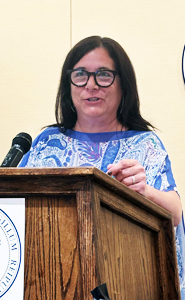
After opening remarks by Providers' Council President and CEO Bill Yelenak and Senator Robyn Kennedy, the Institute’s Sarah Young, senior research analyst, and Christina Citino, senior research manager, shared the report's most important findings.
- Sizable sector: Nearly 150,000 full and part-time paid positions in March 2023
- Diverse workforce: 78% are women, 38% are people of color, 8% have a disability
- Persistent and elevated vacancies: Human services providers report vacancy rates far exceeding the broader labor market, with one out of every six client-facing positions vacant in January 2026. Vacancy rates for some positions, such as licensed clinicians, are even higher; more than one out of every five of these positions was vacant.
- Low wages: One out of every six human services workers earns below 200% of the federal poverty level. Low wages directly contribute to workforce shortages as providers vie for talent with sectors offering better pay, benefits, and career ladders.
 Dependence on immigrant labor: One out of every four human services workers is foreign-born. These workers are essential to the sector, yet they and their employers face policy uncertainties that strain the workforce, undermine organizational stability, and threaten continuity of care.
- Service delivery impacts: Staffing shortages are limiting access to care and reducing program capacity across the state.
"Over the last 20 years, the human services workforce has grown to nearly 150,000 workers, and median wages have nearly doubled. And yet—despite that progress—we are facing a systemic workforce crisis today," said Yelenak. "This report highlights several challenges, and a big one is those wages.” The report documents substantial wage disparities between the Commonwealth’s standard reimbursement rates for community-based human services workers and the salaries of state-employed workers in comparable roles. These gaps range from 13% for entry-level direct service staff to nearly 50% for independently licensed clinicians. Yelenak added that “with differences like that, it becomes increasingly difficult to maintain a quality human services workforce to serve vulnerable populations across the Commonwealth."
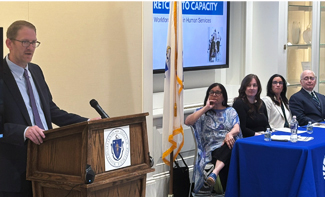 The event concluded with reflections from two leaders in the human services sector on the real-world implications of the findings. Chris White, President and CEO of Road to Responsibility, and Sara McCabe, President and CEO of Wayside Youth & Family Support Network, shared perspectives from their organizations, which provide services across the South Shore and MetroWest, respectively. Drawing on their extensive experience, both discussed their workforce, the communities they serve, and their responses to the report—highlighting the impacts of wage disparities and federal immigration policies on staff recruitment, retention, and service delivery. They also underscored the critical need for sustained investment in the human services sector to avoid further strain on the workforce and the individuals and families who rely on these essential supports.
June 09, 2026